Business
Morning in America, twilight in the markets
By Katherine Langford
Advertisement · Why this ad?
Marcus manages the day-to-day editorial workflow across all brands, coordinating coverage assignments and ensuring editorial standards are met. He previously served as city editor at the Pioneer Press and holds a degree in Political Science from Carleton College.
More from Marcus →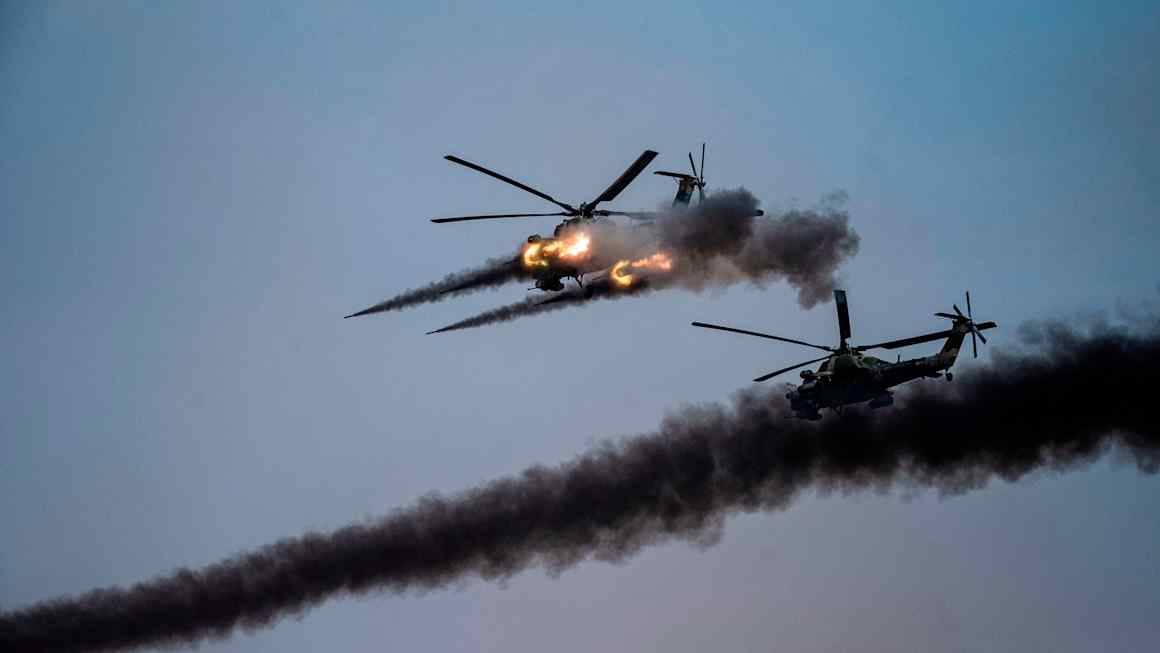
In a dimly lit conference room in New York City, diplomats from Russia and Iran shook hands over a deal that could reshape the balance of power in the Middle East. The moment was significant, marking a deepening of military ties between two nations often at odds with Western interests. This new partnership, underscored by a missile launcher deal, comes even as Russia faces mounting pressures from its ongoing conflict in Ukraine.
On October 10, 2023, reports confirmed that Moscow has significantly increased its military support for Tehran, solidifying a relationship that has grown increasingly strategic over recent years. The deal involves the transfer of advanced missile launcher systems to Iran, enhancing its military capabilities amid ongoing tensions in the region. This move is particularly notable given the backdrop of Russia's own military struggles in Ukraine, where resources are stretched thin.
The missile systems in question are believed to be capable of targeting a variety of threats, a clear signal to both regional adversaries and Western powers. Analysts suggest that this partnership not only strengthens Iran's defense posture but also signals Russia's defiance against international sanctions and isolation.
The relationship between Russia and Iran has evolved significantly since the Syrian Civil War, where both nations found common ground in supporting the Assad regime. This military cooperation has expanded beyond Syria, as both countries face similar geopolitical challenges and share a mutual interest in countering U.S. influence in the region. The two nations have also collaborated on various military exercises, showcasing their growing military interoperability.
Despite the ongoing conflict in Ukraine, where Russia has been heavily criticized for its military actions, the Kremlin appears undeterred in its commitment to bolster its alliances. The missile launcher deal is a clear indication that Russia is willing to prioritize its strategic partnerships, even as it navigates the complexities of its own military engagements. This is particularly crucial for Iran, which has faced its own set of sanctions and isolation from the West, making its relationship with Russia even more vital.
The implications of this deal resonate far beyond the borders of Iran and Russia. In New York City, where diplomatic discussions often shape global narratives, experts express concern over the potential escalation of military tensions in the Middle East. Dr. Sarah Thompson, a Middle East analyst at the Council on Foreign Relations, noted, "This deal could embolden Iran, leading to a more aggressive posture in the region, particularly against Israel and U.S. interests. The stakes are high, and the risks of miscalculation are significant."
Local Iranian-American communities are closely monitoring developments, aware that such military advancements could impact the safety and stability of their homeland. Many express a mix of pride in Iran's growing military capabilities and concern over the potential for conflict. "We want peace, but we also want our country to be strong," said Amir Rahimi, a member of the Iranian-American community in Queens. This sentiment is echoed by many in the community who have families and friends back in Iran, highlighting the personal stakes involved in geopolitical maneuvers.
As the U.S. continues to grapple with its foreign policy in the Middle East, the ramifications of the missile launcher deal could alter the dynamics of existing alliances. The Biden administration has already faced challenges in managing relations with both Iran and Russia, and this new development complicates an already tense situation. The potential for an arms race in the region is heightened, with neighboring countries likely to respond with their own military enhancements.
Countries like Saudi Arabia and Israel are particularly concerned about Iran's increasing military capabilities. Both nations have historically viewed Iran as a significant threat, and the missile launcher deal could provoke them to enhance their own military arsenals, including potential purchases of advanced weaponry from the U.S. or even developing their own indigenous military technologies.
Looking ahead, the international community will be watching closely as the details of the missile launcher deal unfold. There are calls for increased diplomatic efforts to address the growing military capabilities of Iran and the implications for regional stability. The U.S. and its allies may need to reassess their strategies in light of this new reality, particularly as they seek to contain Iranian influence.
In the meantime, the Kremlin’s decision to deepen ties with Tehran sends a clear message about its priorities. As both nations navigate their respective challenges, the collaboration is likely to continue, with potential for further military agreements on the horizon. The stakes are high, and the world is watching. The U.S. may respond with a mix of sanctions and diplomatic outreach, but the effectiveness of such measures remains to be seen in a rapidly changing geopolitical landscape.
In New York City, where the Iranian diaspora is vibrant and active, community leaders are vocal about their concerns and hopes. Organizations like the Iranian American Cultural and Educational Center have been hosting discussions and forums to educate the community about these developments. They emphasize the need for dialogue and understanding, advocating for peaceful resolutions rather than military escalations.
Moreover, the Iranian-American community is diverse, with varying perspectives on the relationship between Iran and Russia. Some view the partnership as a necessary evil in the face of Western sanctions, while others fear it could lead to increased repression within Iran itself. This dichotomy reflects the broader complexities of Iranian society, where many citizens desire both national strength and democratic freedoms.
Among the Iranian-American community, personal stories abound that illustrate the emotional weight of these developments. For instance, Fatemeh Mohammadi, a young activist from Los Angeles, shares her experiences of family members who have faced persecution in Iran. "Every time I hear about military deals like this, I worry about my family’s safety. I want my country to be strong, but not at the cost of my loved ones’ freedom," she expressed during a recent community meeting.
Similarly, many in the community are torn between their hopes for a robust national defense and their fear of the Iranian regime's potential misuse of advanced weaponry. This internal conflict underscores the complexity of the situation, as individuals grapple with their identities as both Iranian and American, navigating the intersection of their heritage and their aspirations for peace.
The recent missile launcher deal between Russia and Iran marks a significant moment in international relations, reflecting a deepening of military cooperation that could have far-reaching consequences. As tensions rise in the Middle East, the implications of this partnership will resonate globally, prompting discussions about security, diplomacy, and the future of regional stability. The relationship between Russia and Iran is likely to be a focal point in upcoming international negotiations, highlighting the need for a comprehensive approach to address the multifaceted challenges posed by their alliance.
By Katherine Langford
By Marcus Chen
By Marcus Chen
By Marcus Chen