
Technology
Meta Starts Debut Euro Bond Sale After $15 Billion US Deal
By Katherine Langford
Advertisement · Why this ad?
Katherine oversees editorial operations across all six brands. Before joining The Meridan Group, she spent 14 years at the Minneapolis Star Tribune, where she led the metro desk through its digital transformation. She holds a Master's in Journalism from Northwestern's Medill School.
More from Katherine →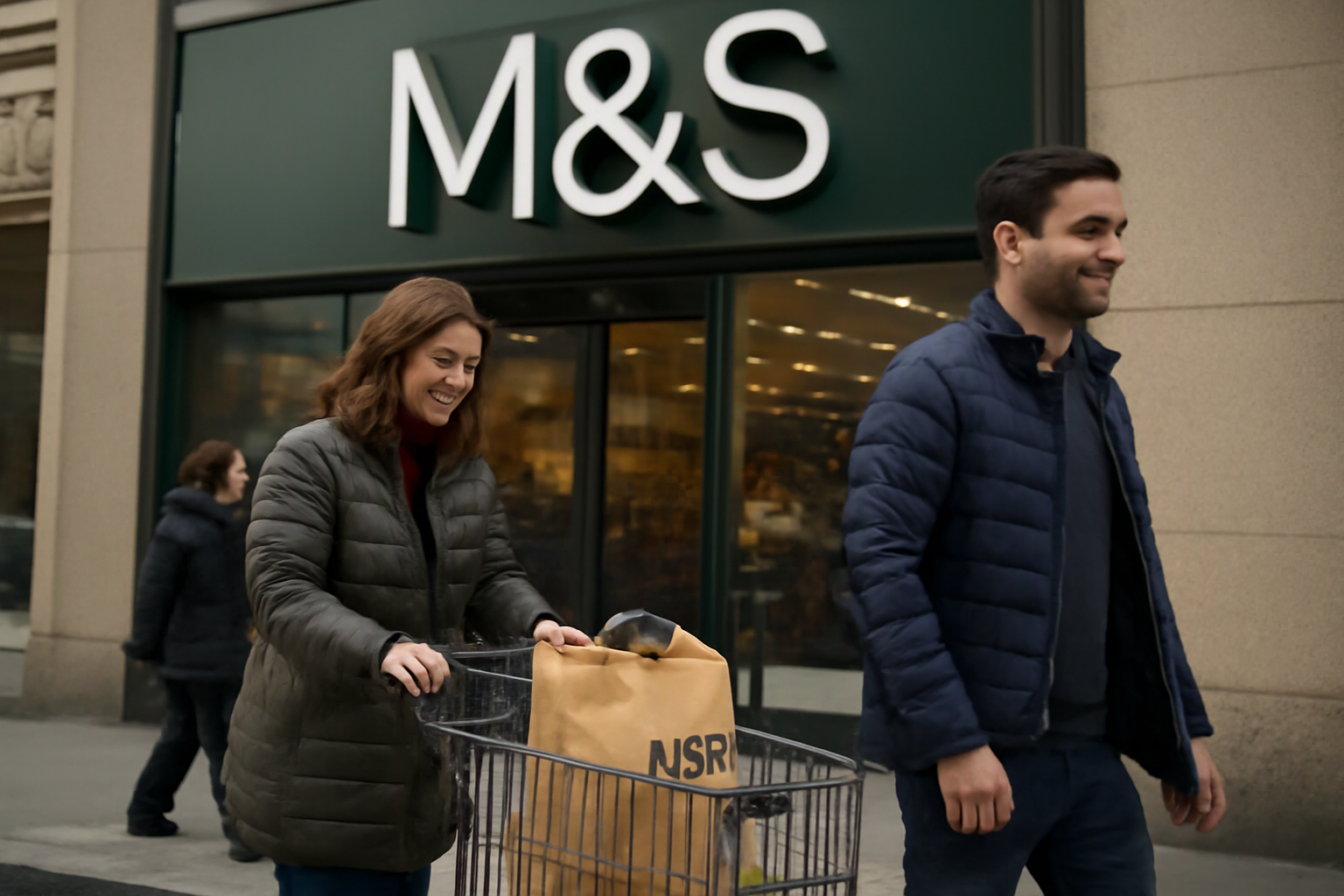
In a bustling grocery store in New York City, shoppers eagerly fill their carts with fresh produce, organic snacks, and gourmet items. The atmosphere is vibrant, and the air is filled with the sounds of laughter and conversation. This scene of everyday life is a testament to the resilience of the retail sector, particularly for Marks & Spencer Plc, which has seen a remarkable rebound in grocery sales following a challenging period marked by a significant cyberattack last year.
Marks & Spencer Plc, a well-known British retailer, recently reported that its grocery sales have surged more than anticipated, providing a much-needed boost to the company as it recovers from the cyberattack that disrupted operations in 2022. The attack, which compromised the retailer's online systems, led to significant operational challenges, but the latest sales figures indicate a strong recovery. The company has embraced new technology and enhanced security measures to safeguard its business and customer data, ensuring that such disruptions are less likely in the future.
According to the latest financial reports, Marks & Spencer's grocery sales increased by 7.2% in the most recent quarter, significantly outpacing analysts' expectations. This growth is attributed to a combination of factors, including the introduction of new product lines, improved customer engagement strategies, and a renewed focus on quality and sustainability. The company's commitment to providing fresh, high-quality food options has resonated with consumers, driving foot traffic and online orders alike.
The cyberattack that struck Marks & Spencer last year was a wake-up call for many retailers, highlighting the vulnerabilities that exist in an increasingly digital marketplace. The incident not only disrupted operations but also raised questions about the security of customer data and the integrity of supply chains. In response, Marks & Spencer has invested heavily in upgrading its cybersecurity infrastructure, implementing advanced encryption technologies and employee training programs to mitigate future risks.
As part of its recovery strategy, the retailer has also focused on enhancing the online shopping experience for consumers. The launch of a revamped website and mobile app has made it easier for customers to browse and purchase their favorite products. This digital transformation has played a crucial role in attracting a younger demographic, who prioritize convenience and accessibility in their shopping habits.
The positive sales figures have not only delighted shareholders but have also resonated with the communities that Marks & Spencer serves. Local residents have expressed their appreciation for the company's commitment to quality and sustainability, noting that the grocery chain's focus on local sourcing and environmentally friendly practices aligns with their values. This connection between the retailer and the community has fostered a sense of loyalty among customers, who feel invested in the success of the brand.
“We love shopping at Marks & Spencer because we know we’re getting quality products,” said Sarah Thompson, a long-time customer. “Their commitment to sustainability and local sourcing makes it easy for us to support a brand that cares about the community.” Such sentiments reflect a growing trend among consumers who are increasingly seeking out brands that prioritize ethical practices and community engagement.
The resurgence of Marks & Spencer's grocery sales has also had a positive ripple effect on the local economy. With increased sales, the retailer has been able to maintain and even expand its workforce, providing jobs to local residents. This is particularly important in a post-pandemic world where job security has become a pressing concern for many families.
Furthermore, the company’s focus on sourcing products from local farmers and suppliers has bolstered the local agriculture sector. By prioritizing local partnerships, Marks & Spencer not only strengthens its supply chain but also contributes to the economic stability of the communities it serves. For instance, local farmers in New York have reported increased orders from Marks & Spencer, which has allowed them to reinvest in their operations and hire additional staff. This symbiotic relationship highlights how the retailer is not just a business entity but a vital part of the local ecosystem.
Local farmers have shared their experiences working with Marks & Spencer, emphasizing the positive impact the partnership has had on their livelihoods. “Working with Marks & Spencer has opened new doors for us,” stated John Miller, a farmer from upstate New York. “They not only buy our produce but also promote it in their stores, which helps us reach a wider audience. Their commitment to local sourcing is something we truly appreciate.” This sentiment is echoed by others in the farming community, who see the retailer as a champion of local agriculture.
Looking ahead, Marks & Spencer aims to build on its recent success by continuing to innovate and adapt to changing consumer preferences. The retailer has announced plans to introduce even more product lines that cater to health-conscious consumers, as well as expanding its range of plant-based options. This strategic move aligns with the growing demand for healthier food choices and reflects a broader trend towards sustainability in the grocery sector.
In addition, the company is committed to enhancing its customer experience through technology. Marks & Spencer plans to invest in artificial intelligence and data analytics to better understand consumer behavior and preferences, allowing for more personalized shopping experiences. This forward-thinking approach will not only strengthen customer loyalty but also position the brand as a leader in the competitive grocery market.
As part of its ongoing commitment to community engagement, Marks & Spencer has announced plans to host a series of events aimed at bringing local residents together. These events will feature cooking demonstrations, local farmer showcases, and sustainability workshops, all designed to foster a deeper connection between the retailer and the community. “We want to be more than just a grocery store; we want to be a part of people’s lives,” said the store manager, Lisa Reynolds. “By hosting these events, we hope to create a space where people can learn, connect, and share their passion for quality food.”
As Marks & Spencer continues to navigate the complexities of the retail landscape, its emphasis on quality, community engagement, and sustainability will remain at the forefront of its strategy. The company's ability to adapt and innovate in the face of challenges will be crucial in ensuring its long-term success and relevance in the industry.
In conclusion, the resurgence of Marks & Spencer's grocery sales following last year's cyberattack is a testament to the resilience of the brand and its commitment to serving its customers and communities. By prioritizing quality, sustainability, and innovation, the retailer is not only recovering from past setbacks but also paving the way for a brighter future in the grocery sector.
By Katherine Langford

By Katherine Langford

By Katherine Langford

By Marcus Chen