
Business
Three things that explain what’s changing with Obamacare in 2027
By Marcus Chen
Advertisement · Why this ad?
Katherine oversees editorial operations across all six brands. Before joining The Meridan Group, she spent 14 years at the Minneapolis Star Tribune, where she led the metro desk through its digital transformation. She holds a Master's in Journalism from Northwestern's Medill School.
More from Katherine →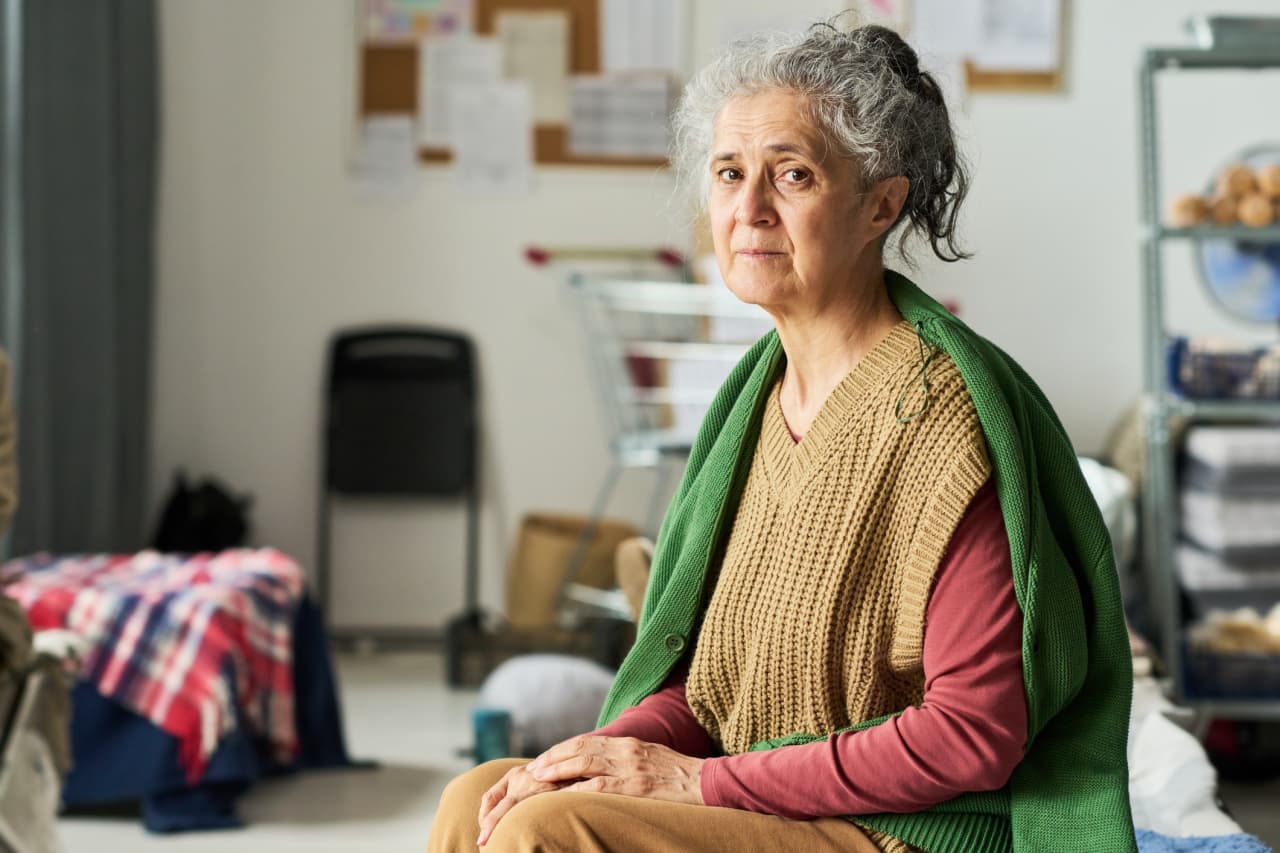
At 66 years old, Margaret Johnson stands in her modest apartment in Brooklyn, contemplating the stark reality of her financial situation. With only $500 in savings and a reliance on Social Security, she embodies the struggle faced by many older Americans. "Sometimes I wonder whether wealthier Americans should trade places with people like me," she confesses, a sentiment that resonates deeply in a city where the cost of living continues to rise, leaving many behind.
Margaret's predicament is not an isolated case; it reflects a broader crisis among seniors nationwide. According to the Social Security Administration, nearly 40% of retirees depend on Social Security for at least 90% of their income. In New York City, where the median rent can exceed $3,000, this reliance becomes particularly precarious. Margaret receives approximately $1,500 a month from Social Security, a sum that barely covers her basic expenses, let alone any unforeseen costs.
The stark reality of inflation has only exacerbated the financial struggles of many elderly citizens. With rising prices for groceries, utilities, and healthcare, the purchasing power of Social Security benefits has diminished significantly. Margaret recalls a time when she could afford to treat herself occasionally; now, even a simple meal out feels like a luxury.
In a city as vibrant as New York, community support systems play a crucial role in helping seniors navigate financial hardships. Organizations such as NYC’s Department for the Aging provide resources and programs aimed at assisting older adults. From meal delivery services to financial counseling, these initiatives are lifelines for many like Margaret.
Margaret has found solace in local community centers, where she attends free workshops on budgeting and financial planning. “It’s empowering to learn how to stretch my limited income,” she says. However, she acknowledges that these resources can only do so much. The underlying issue remains: the systemic challenges that leave many seniors in precarious positions.
One such community center, located just a few blocks from her apartment, has become a second home for Margaret. The center hosts weekly gatherings where seniors can share experiences and advice. “It’s a place where we can connect, share a laugh, and support one another,” she explains. The friendships formed there are invaluable, providing emotional support that complements the practical assistance offered by the center.
Margaret's story is a tapestry woven with threads of resilience and determination. She recalls her years working as a school teacher, instilling knowledge and values in her students. Yet, despite her dedication, her salary was never sufficient to build substantial savings. “I loved my job, but the pay was never enough for a secure future,” she reflects.
Her experience is echoed by many in her community, who share similar stories of hard work and limited rewards. As the cost of living continues to soar, the dream of retirement with dignity feels increasingly out of reach. Margaret often meets with friends at a local diner, where they share meals and stories, finding comfort in each other’s company. “We may not have much, but we have each other,” she states, a reminder of the importance of community bonds.
These friendships are crucial for Margaret, especially as they navigate the same struggles. One friend, Clara, 70, has been especially supportive, often sharing her own tips on saving or finding deals in the neighborhood. “We look out for one another,” Clara says. “It’s all about surviving together in this city.” Their camaraderie is a testament to the strength of community, especially in challenging times.
As Margaret looks ahead, she grapples with uncertainty. The looming question of healthcare costs weighs heavily on her mind. With Medicare coverage often insufficient for many medical expenses, the fear of unexpected bills is a constant source of anxiety. “I worry about what will happen if I need major medical care,” she admits. “I have no financial safety net.”
Margaret's concerns are not unfounded. A report from the Centers for Medicare & Medicaid Services indicates that out-of-pocket healthcare costs can be substantial for seniors, often leading to financial strain. This reality forces many to make difficult choices between healthcare and other essential needs.
In her neighborhood, Margaret has seen firsthand how many seniors are forced to forgo necessary medical treatments due to cost. “I know people who skip their medications because they can’t afford them,” she says. “It breaks my heart.” This situation underscores the urgent need for comprehensive healthcare reform that addresses the unique challenges faced by older adults.
Margaret's situation highlights the urgent need for policy changes that address the financial vulnerabilities of seniors. Advocacy groups such as National Council on Aging are pushing for reforms in Social Security benefits, aiming to ensure that older Americans can live with dignity and security. “We need to raise awareness about these issues,” Margaret asserts, emphasizing the importance of collective action.
She actively participates in local forums and discussions, sharing her story in hopes of inspiring others to advocate for change. “If we don’t speak up, nothing will change,” she believes. Margaret’s courage to voice her struggles serves as a rallying cry for others in her community, encouraging them to join the fight for a more equitable future.
Recently, Margaret attended a town hall meeting where local officials discussed potential initiatives to support low-income seniors. The meeting was packed, with many community members sharing their concerns and suggestions. “I felt empowered being there, knowing I wasn’t alone in this fight,” she recalls. The collective energy in the room was palpable, highlighting the community's commitment to advocating for the rights and needs of its seniors.
For individuals and families facing similar challenges, there are resources available to help navigate financial difficulties. Organizations such as AARP offer financial planning tools and advice tailored for seniors. Additionally, local churches and community organizations often provide support through food banks and financial assistance programs.
Margaret encourages those in her position to reach out for help and to take advantage of the resources available. “It’s okay to ask for help; we’re all in this together,” she emphasizes, reinforcing the importance of community support.
Ultimately, the hope for a better future lies in a combination of individual resilience and collective action. As Margaret continues to navigate her financial reality, she remains determined to advocate for herself and others, embodying the spirit of perseverance that defines her generation. As she reflects on her journey, Margaret remains hopeful that by sharing her story, she can help spark change for herself and countless others facing similar challenges.
By Marcus Chen

By Katherine Langford

By Marcus Chen

By Katherine Langford