
Health
My wife and I have no kids and a 99% chance of outliving our life savings. Why not spend it all?
By Marcus Chen
Advertisement · Why this ad?
Katherine oversees editorial operations across all six brands. Before joining The Meridan Group, she spent 14 years at the Minneapolis Star Tribune, where she led the metro desk through its digital transformation. She holds a Master's in Journalism from Northwestern's Medill School.
More from Katherine →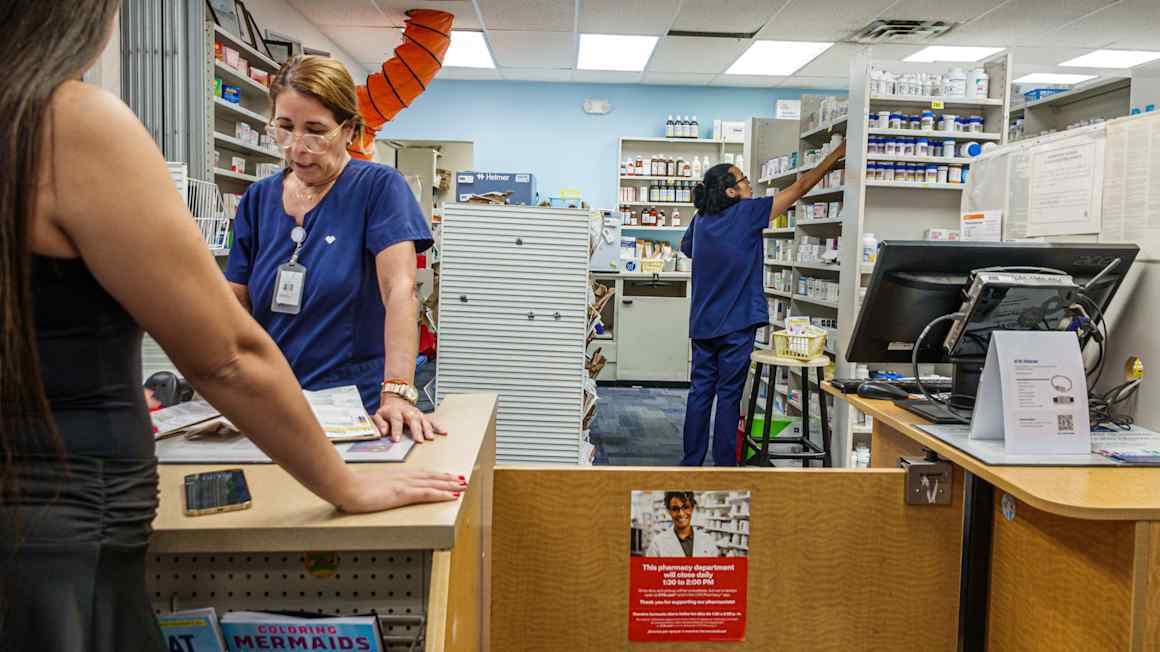
In the heart of New York City, where the pulse of healthcare innovation beats strongest, CVS Health stands at a crossroads. Inside their bustling headquarters, executives are weighing a monumental decision that could reshape the landscape of American healthcare. The company, known for its expansive reach across pharmacy benefit management, retail, and health insurance, is contemplating a potential spin-off of its drugstore business. This move comes amid growing political scrutiny and pressure on pharmacy benefit managers and health insurers, fundamentally questioning how healthcare is delivered in the United States.
CVS Health, a titan in the healthcare sector with a staggering $117 billion valuation, is exploring the separation of its drugstore operations from its broader healthcare services. This strategic pivot is not merely a business decision; it reflects a response to increasing demands for transparency and accountability in the healthcare industry. In recent years, pharmacy benefit managers have faced mounting criticism for their role in escalating drug prices, prompting lawmakers to call for reform.
The potential spin-off could allow CVS to focus more intently on its health services, which include MinuteClinics, its health insurance arm Aetna, and various telehealth initiatives. The company’s leadership believes that by disentangling its retail operations, it can streamline its healthcare offerings and enhance patient care, ultimately fostering a more integrated approach to health.
The healthcare landscape in the United States is undergoing a seismic shift, driven by both consumer demand and regulatory pressure. With healthcare costs soaring, patients are increasingly seeking more affordable and accessible options. In this environment, CVS Health's potential move could be seen as a proactive step toward meeting these evolving needs.
Moreover, the scrutiny on pharmacy benefit managers has intensified, with legislators pushing for reforms that could reshape how these entities operate. As CVS navigates this complex political landscape, the company is faced with the challenge of balancing profitability with the ethical responsibility to provide equitable healthcare solutions. The Biden administration, for instance, has made healthcare reform a central part of its agenda, which adds urgency to CVS's decision-making process.
CVS has long been a staple in communities across New York City, where its pharmacies often serve as the first point of contact for healthcare needs. With over 300 locations in the city, CVS pharmacies are strategically placed to meet the needs of diverse populations. Many New Yorkers rely on CVS not only for prescriptions but also for immunizations, health screenings, and advice from pharmacists, who often play a critical role in managing chronic conditions.
“CVS is more than just a pharmacy for us; it’s part of our community fabric,” said Dr. Linda Chen, a local physician who collaborates with CVS to provide health education programs. “If they spin off their retail business, we need to ensure that the community health services remain accessible and robust.” This sentiment reflects a broader concern among healthcare providers and community leaders about the potential ramifications of CVS's restructuring.
For many families across New York City and beyond, CVS Health's decision could have profound implications. The convenience of having a local pharmacy that also offers health services has been a lifeline for countless individuals. A separation of CVS's drugstore business might lead to changes in service delivery, affecting how families access medications and healthcare services.
As the company contemplates this shift, it is essential to consider how it will impact the daily lives of New Yorkers. Families who rely on CVS for prescriptions and healthcare services may face uncertainty regarding the continuity of care. The potential for increased specialization could lead to better healthcare outcomes, but it also raises questions about accessibility and the availability of services in underserved neighborhoods, particularly in areas like East Harlem and Brownsville, which already face significant healthcare disparities.
The response from the community has been mixed, with some residents expressing concern over the potential changes, while others welcome the prospect of a more focused healthcare provider. “I hope that whatever they decide, it puts patients first,” said Maria Gonzalez, a long-time CVS customer from the Bronx. “We need healthcare that is affordable and easy to access, especially in our community.”
Local advocacy groups have also weighed in on the potential spin-off. The New York Health Coalition has urged CVS to prioritize community health needs in any restructuring efforts. “We understand the need for businesses to adapt, but we must ensure that the most vulnerable populations are not left behind,” said coalition spokesperson James Lee. “If CVS is going to separate its drugstore operations, they must provide assurances that essential services will remain available in our neighborhoods.”
As CVS Health moves forward with its deliberations, the outcome of this potential spin-off will be closely watched by industry analysts, policymakers, and the public alike. The decision could set a precedent for how large healthcare entities navigate the challenges of providing care in an increasingly complex environment. Analysts from firms like Morgan Stanley and Goldman Sachs are already speculating on the financial implications of such a move, with some suggesting that a spin-off could unlock shareholder value while allowing CVS to focus on its core health services.
In the coming months, CVS is expected to engage with stakeholders, including healthcare professionals and community leaders, to gauge the impact of its decision on the communities it serves. This dialogue will be crucial in shaping a future that prioritizes patient care while addressing the economic realities of running a healthcare business. CVS has committed to holding community forums and meetings to gather input, emphasizing their intention to remain connected with the neighborhoods they serve.
In light of these developments, families in New York City can take proactive steps to ensure they remain informed about their healthcare options. The New York City Department of Health offers resources and information on local health services, including access to pharmacies and clinics. Residents can visit their website for up-to-date information on available services and community health initiatives.
Additionally, organizations such as the New York Health Department and NYC Department of Health and Mental Hygiene provide valuable insights into navigating healthcare options and understanding benefits. Community health centers, like the Urban Health Plan, also offer comprehensive services that may fill any gaps left by CVS’s potential restructuring.
As CVS Health contemplates the future of its drugstore business, the broader implications for the healthcare landscape cannot be overstated. The company stands at a pivotal moment, one that could redefine its role in the lives of millions of Americans. By prioritizing patient care and addressing the concerns of families, CVS has the opportunity to not only reshape its business model but also contribute to a more equitable healthcare system.
In a society where strong families and healthy communities are paramount, CVS Health’s decisions will resonate far beyond the boardroom. The hope is that whatever path they choose, it aligns with the values of commitment and care that underpin the American dream. As the healthcare landscape continues to evolve, CVS has the chance to lead by example, setting a new standard for corporate responsibility in healthcare.
By Marcus Chen

By Katherine Langford

By Katherine Langford

By Katherine Langford