
Technology
S&P 500 is looking over the edge of a technical cliff — what happens if it falls off?
By Marcus Chen
Advertisement · Why this ad?
Marcus manages the day-to-day editorial workflow across all brands, coordinating coverage assignments and ensuring editorial standards are met. He previously served as city editor at the Pioneer Press and holds a degree in Political Science from Carleton College.
More from Marcus →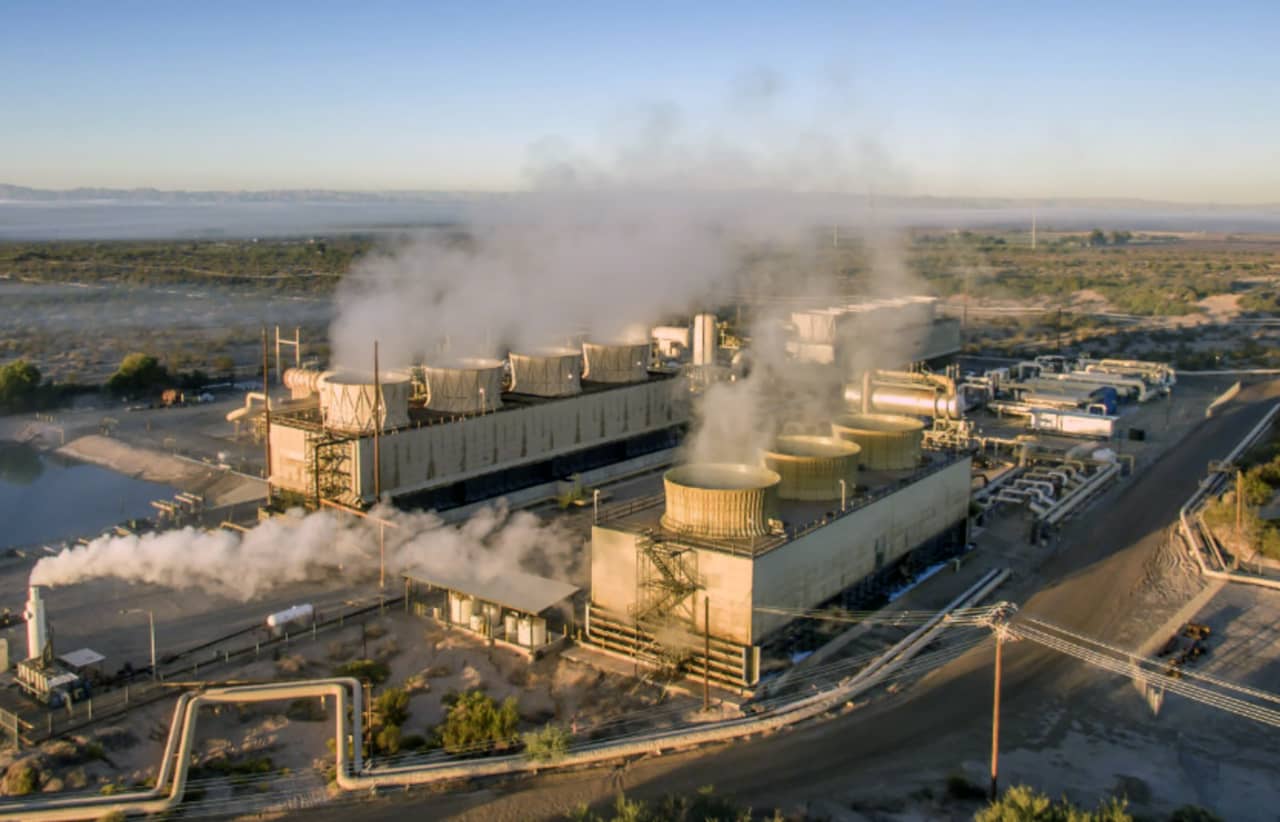
As the sun sets over Manhattan, the glowing skyline is a testament to the city’s relentless energy consumption. Yet, behind the bright lights and bustling streets lies a looming crisis: the demand for power is outpacing supply, especially as artificial intelligence (AI) technologies surge. In this race for energy, a lesser-known contender is emerging: geothermal energy. Morgan Stanley has identified geothermal technology as a potential game-changer, likening its growth to the shale revolution that transformed the U.S. energy landscape.
Geothermal energy harnesses heat from beneath the Earth’s surface, providing a consistent and renewable power source. Unlike solar or wind, which depend on weather conditions, geothermal energy can produce electricity 24/7. Morgan Stanley's analysis suggests that this technology is just beginning to gain traction, with the potential to significantly alleviate the energy demands driven by AI applications.
The firm highlights that geothermal energy could play a critical role in meeting the growing energy needs of AI data centers, which require vast amounts of electricity to operate efficiently. As cities like New York continue to expand their digital infrastructures, the pressure on traditional energy sources intensifies. Geothermal energy offers a sustainable solution that could stabilize the grid and reduce reliance on fossil fuels.
The global geothermal market is projected to grow significantly, with estimates suggesting it could reach $63 billion by 2027. This growth is fueled by advancements in technology and increasing investments in renewable energy. Companies that are positioned to capitalize on this trend are becoming attractive options for investors looking for long-term growth.
Two companies, in particular, stand out as prime plays in the geothermal sector: Ormat Technologies and Enel Americas. Ormat, a leader in geothermal power production, has a robust portfolio of projects across the globe. With a market capitalization of approximately $2.5 billion, Ormat is well-positioned to benefit from the increased demand for geothermal energy.
Ormat Technologies has been at the forefront of geothermal energy development for decades. Their innovative technology allows for the efficient extraction of geothermal resources, making them a key player in the industry. The company's recent projects in Nevada and California exemplify their commitment to expanding geothermal capacity.
According to Morgan Stanley, Ormat's growth potential is substantial, particularly as more countries commit to reducing carbon emissions. The company’s focus on sustainability and clean energy aligns perfectly with global trends, positioning it as a leader in the transition to greener energy sources.
The rise of geothermal energy not only promises to address the energy crunch but also has significant implications for local communities. As companies invest in geothermal projects, they create jobs and stimulate local economies. This is especially important in regions where traditional energy sources are declining.
In New York, the potential for geothermal energy development could lead to job creation in construction, maintenance, and operations. Furthermore, local businesses could benefit from increased economic activity as geothermal plants require a range of services and supplies. This ripple effect can strengthen community ties and foster a sense of shared purpose as residents work together toward a sustainable future.
Local stakeholders, including community leaders and environmental advocates, are beginning to recognize the transformative potential of geothermal energy. For instance, in neighborhoods like the Bronx and Brooklyn, where energy costs disproportionately affect low-income families, the introduction of geothermal solutions could alleviate financial burdens while promoting environmental justice. Local organizations are advocating for policies that support renewable energy projects, emphasizing the need for equitable access to clean energy resources.
Community leaders such as Bronx Councilmember Vanessa Gibson are vocal advocates for renewable energy initiatives. Gibson emphasizes that geothermal energy could not only help lower energy costs but also create jobs in the Bronx, a borough that has historically faced economic challenges. “Investing in renewable energy is investing in our community’s future,” she states. “We need to ensure that all our residents have access to clean, affordable energy.”
Furthermore, grassroots organizations like the New York City Environmental Justice Alliance are actively working to educate residents about the benefits of geothermal energy. They hold workshops and informational sessions aimed at demystifying the technology and its potential impact on local energy bills. The feedback from these sessions has been overwhelmingly positive, with many attendees expressing a desire for more sustainable energy options.
Enel Americas, another key player in the geothermal market, operates in multiple countries across Latin America. With a strong commitment to renewable energy, Enel has been expanding its geothermal portfolio in recent years. Their focus on innovation and sustainability aligns with the increasing global demand for clean energy solutions.
Enel's investments in geothermal technology not only enhance their energy offerings but also contribute to the overall reduction of greenhouse gas emissions. As more consumers and businesses prioritize sustainability, companies like Enel are well-positioned to thrive in this evolving market.
The future of geothermal energy is also heavily influenced by government policy and regulation. In New York, the state government has set ambitious targets for renewable energy, aiming for 70% of the state's electricity to come from renewable sources by 2030. This policy landscape creates an encouraging environment for geothermal projects to flourish.
Moreover, federal incentives for renewable energy development, such as tax credits and grants, could further accelerate the growth of geothermal energy. Advocacy groups are pushing for more robust support for geothermal initiatives, arguing that with the right backing, this energy source could significantly contribute to the nation’s energy independence.
The future of geothermal energy looks promising, especially as technological advancements continue to improve efficiency and reduce costs. As Morgan Stanley notes, the geothermal sector is ripe for investment, and those who enter the market now may reap significant rewards in the coming years.
For New Yorkers and others across the nation, embracing geothermal energy could mean a more stable and sustainable energy future. As communities rally around clean energy initiatives, the potential for geothermal energy to become a mainstream power source is within reach. The transition to a greener energy landscape is not just an environmental imperative; it is also an economic opportunity that can benefit families and strengthen communities.
In conclusion, as we stand on the brink of a new energy era, the geothermal sector offers a beacon of hope for tackling the dual challenges of energy demand and climate change. With the right investments, policies, and community engagement, geothermal energy could emerge as a cornerstone of our future energy landscape, ensuring that cities like New York not only shine brightly but also sustainably.
By Marcus Chen

By Marcus Chen

By Katherine Langford

By Marcus Chen